
What Are Autonomous UAV Docking Stations?
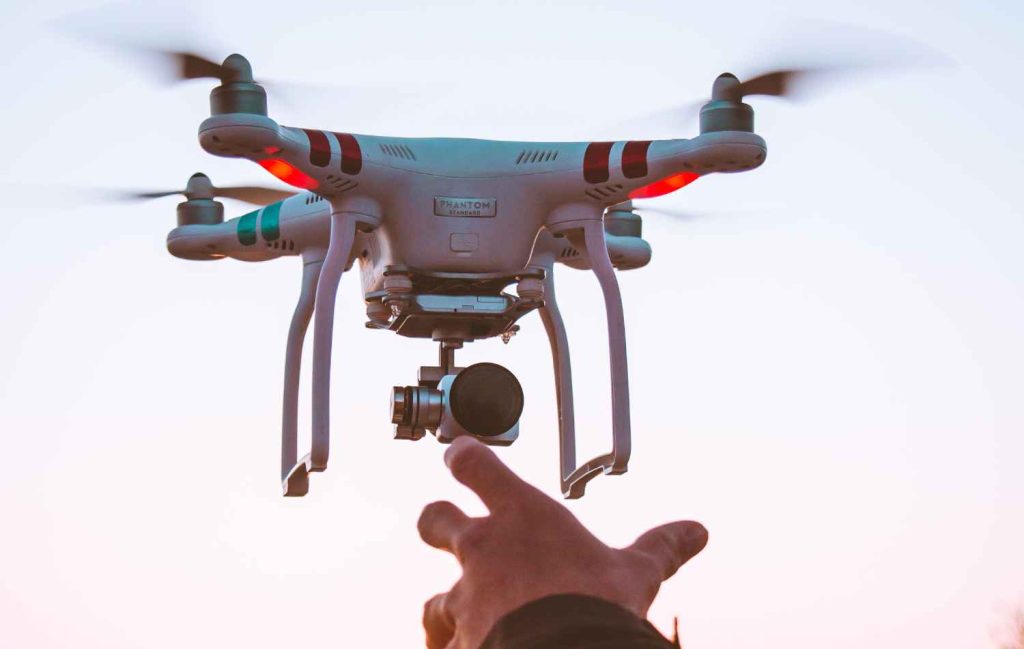
Autonomous UAV docking stations are specialized systems designed to support unmanned aerial vehicles (UAVs) by providing a secure place for landing, recharging, and data transfer without human intervention. These docking stations enable drones to operate continuously, performing scheduled missions and on-demand tasks. They are equipped with advanced features such as automated charging, weather protection, and data management systems.
For instance, Strix Drones offers universal docking stations that are built to accommodate various drone models, ensuring seamless operations across different applications. By integrating cutting-edge technology, these stations enhance the operational efficiency of UAVs, allowing them to be deployed quickly and reliably in critical scenarios.
In essence, autonomous UAV docking stations are revolutionizing the way drones are utilized, making them more effective and efficient in various fields, especially in public safety and security.
How Do Autonomous UAV Docking Stations Improve Efficiency in Public Safety?
Real-Time Surveillance and Monitoring
Autonomous UAV docking stations revolutionize real-time surveillance and monitoring in public safety. By deploying drones equipped with high-definition cameras and thermal imaging, these systems provide continuous aerial coverage of critical areas. This capability allows for instant detection and assessment of incidents such as fires, accidents, or criminal activities. The live feed from the drones can be streamed directly to command centers, giving public safety officials a comprehensive view of the situation as it unfolds. This immediate access to visual data ensures that responders can make informed decisions quickly, enhancing the overall efficiency of emergency response operations.
Rapid Response and Deployment
One of the most significant advantages of autonomous UAV docking stations is their ability to facilitate rapid response and deployment. When an emergency occurs, every second counts. Drones housed in these docking stations can be launched autonomously within moments of receiving a trigger, whether it be a sensor alert or a manual command from a control center. This swift deployment reduces the time it takes for first responders to reach the scene, potentially saving lives and mitigating damage. Additionally, drones can navigate through challenging environments that might be inaccessible or dangerous for human responders, providing crucial information without risking personnel safety.
Cost-Effectiveness and Resource Management
Implementing autonomous UAV docking stations also brings cost-effectiveness and improved resource management to public safety operations. Traditional methods of aerial surveillance, such as manned helicopters, are expensive and resource-intensive. In contrast, drones offer a more affordable alternative with lower operational costs. They require less maintenance and can be operated remotely, reducing the need for extensive manpower. Furthermore, drones can perform routine inspections and monitoring tasks, freeing up human resources for more critical activities. By optimizing the allocation of resources, public safety agencies can enhance their operational efficiency and stretch their budgets further.
In summary, autonomous UAV docking stations significantly improve efficiency in public safety by enabling real-time surveillance, rapid response, and cost-effective resource management. These advancements not only enhance the effectiveness of emergency operations but also contribute to overall public safety and security. For more information on these innovative solutions, visit strixdrones.
What Are the Key Features of Strix Drones' Docking Stations?
Strix Drones' docking stations are designed to maximize efficiency and reliability. These stations offer seamless universal charging, ensuring your drones are always ready for action. The weather-protected stations allow for 24/7 availability, making them ideal for continuous operations in various conditions.
Autonomous Deployment
Strix Drones' docking stations support autonomous deployment, which means drones can take off and land without human intervention. This feature is crucial for rapid response situations.
Secure Storage
The docking stations provide secure storage for drones, protecting them from environmental hazards and unauthorized access. This ensures that drones are always in optimal condition for their next mission.
Centralized Management
Strix Drones' solutions offer centralized management, allowing operators to control and monitor multiple drones from a single interface. This enhances operational efficiency and simplifies the management of large-scale drone fleets.
How Do These Technologies Enhance Security Applications?
Real-Time Surveillance and Monitoring
Autonomous UAV docking stations offer significant advantages in real-time surveillance and monitoring. These systems allow drones to be deployed and recharged automatically, ensuring continuous operation without human intervention. By providing constant aerial coverage, they enable security teams to monitor large areas efficiently and respond to incidents as they happen. The integration of advanced sensors and cameras on these drones ensures high-quality video feeds and data collection, enhancing situational awareness and decision-making.
Rapid Response and Deployment
In security applications, the ability to respond quickly to threats is crucial. Autonomous UAV docking stations, such as those developed by Strix Drones, ensure that drones are always ready for rapid deployment. When an alarm is triggered or a suspicious activity is detected, drones can be launched immediately from their docking stations to assess the situation. This rapid response capability can significantly reduce the time it takes to address potential security breaches, minimizing risks and preventing escalation.
Cost-Effectiveness and Resource Management
Deploying autonomous UAV docking stations can also lead to considerable cost savings. Traditional security measures often require significant manpower and resources. By automating surveillance and monitoring tasks, these technologies reduce the need for extensive personnel, thereby lowering operational costs. Moreover, the ability to schedule regular patrols and inspections without human oversight ensures efficient use of resources, allowing security teams to focus on higher-priority tasks.
In summary, autonomous UAV docking stations enhance security applications by providing continuous real-time monitoring, enabling rapid response to incidents, and offering cost-effective solutions for resource management.
Conclusion: What Is the Future of Autonomous UAV Docking Stations in Public Safety?
The future of autonomous UAV docking stations in public safety looks promising. These technologies are set to revolutionize how we approach surveillance, emergency response, and resource management. As systems like those from Strix Drones continue to evolve, we can expect even greater integration with AI and advanced analytics, enhancing their capability to operate independently and efficiently. This will not only improve response times and operational efficiency but also significantly reduce costs. The adoption of autonomous UAV docking stations will likely become a standard practice, ensuring safer and more secure communities worldwide.